
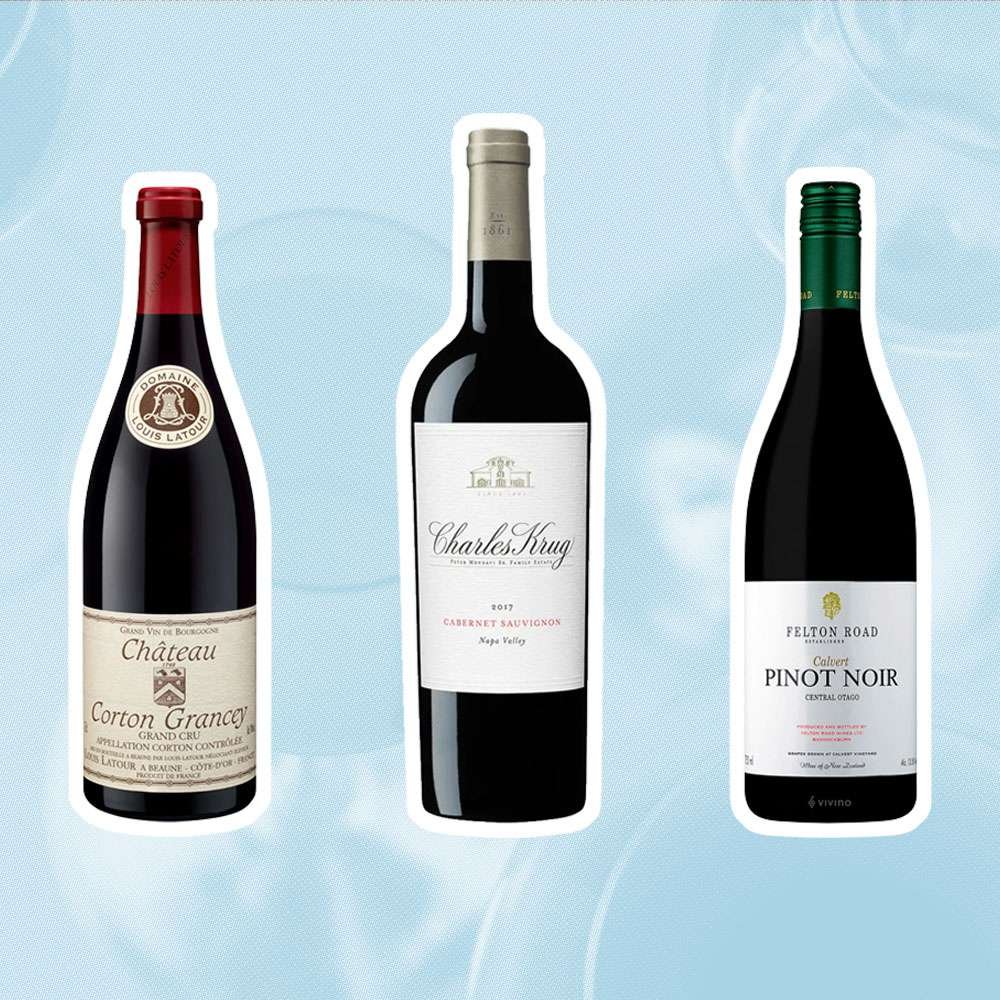
The wrong wine-food combination can turn an expensive bottle into a disappointing experience. You’ve probably experienced this: a bold Cabernet overwhelming delicate fish, or a light Pinot Noir vanishing completely beside a rich steak. The solution isn’t memorizing endless pairing charts. It’s understanding what makes certain combinations work.
Understanding weight and intensity
Match weight with weight. This remains the most reliable principle. A wine’s body refers to how heavy it feels in your mouth, determined by alcohol content, tannins, and concentration. Light-bodied reds like Pinot Noir and Beaujolais contain lower alcohol and softer tannins, making them natural partners for lighter proteins: roasted chicken, salmon, pork tenderloin.
Medium-bodied wines occupy the middle ground. Merlot, Chianti, Côtes du Rhône work well with moderately rich dishes like lamb chops, duck breast, or mushroom risotto. Neither the wine nor the food dominates.
Full-bodied reds demand substantial dishes. Cabernet Sauvignon, Syrah, and Barolo carry high tannins and bold flavors that require rich, fatty foods to balance them. Ribeye steak, braised short ribs, aged cheeses can stand up to these powerful wines. Pair a Barolo with grilled salmon and you’ll get harsh wine and bland fish.
Tannins and texture
Tannins create that drying sensation in your mouth, particularly noticeable in young Cabernet Sauvignon or Nebbiolo. Fat and protein neutralize tannins, which explains why red wine traditionally accompanies meat. The proteins in steak literally bind with tannin molecules, softening the wine’s astringency.
Aged cheeses, particularly hard varieties like Parmigiano-Reggiano or aged Gouda, contain concentrated proteins and fats that work similarly. Even dishes with rich sauces or olive oil can provide enough fat content to balance tannic wines.
Regional pairings that actually work
Geographic pairing offers a practical shortcut, though you need to be selective. Italian Sangiovese naturally complements tomato-based dishes because the wine’s acidity matches the acidity in tomatoes. When shopping for best red wines on sale, consider wines from regions with strong culinary traditions.
French Burgundy evolved alongside the region’s cuisine of braised meats in wine sauces, mushroom dishes, and roasted poultry. Spanish Tempranillo pairs seamlessly with chorizo, manchego cheese, and paprika-spiced dishes.
But regional pairing isn’t foolproof. A heavy Amarone from Italy won’t automatically work with every Italian dish.
Specific varietal guidelines
Pinot Noir’s versatility makes it the safest choice for mixed dinner parties. Its bright acidity and moderate tannins work with salmon, roasted chicken, mushroom dishes, and many pork preparations.
Cabernet Sauvignon demands bold flavors. Grilled steaks, especially those with char or robust seasonings, provide the intensity this wine needs. Lamb works exceptionally well since the meat’s natural richness balances the wine’s tannins.
Syrah offers flexibility depending on style. Cooler climate versions from Northern Rhône or Washington State lean toward pepper and herbs, pairing well with grilled vegetables, herb-crusted lamb, or duck. Warmer climate Syrahs develop jammy fruit characteristics that complement barbecue and spiced meat dishes.
Merlot’s soft tannins make it approachable with a wide range of foods. It works particularly well with dishes containing caramelized elements: roasted vegetables, braised meats, anything with a brown sauce.
When to break the rules
Personal preference trumps pairing orthodoxy. Some people genuinely enjoy light wines with rich foods, finding the contrast refreshing rather than jarring. What matters is understanding why certain combinations work or fail. Once you grasp the underlying principles of weight, tannins, and acidity, you can make informed decisions about when to follow conventional wisdom and when to experiment.