
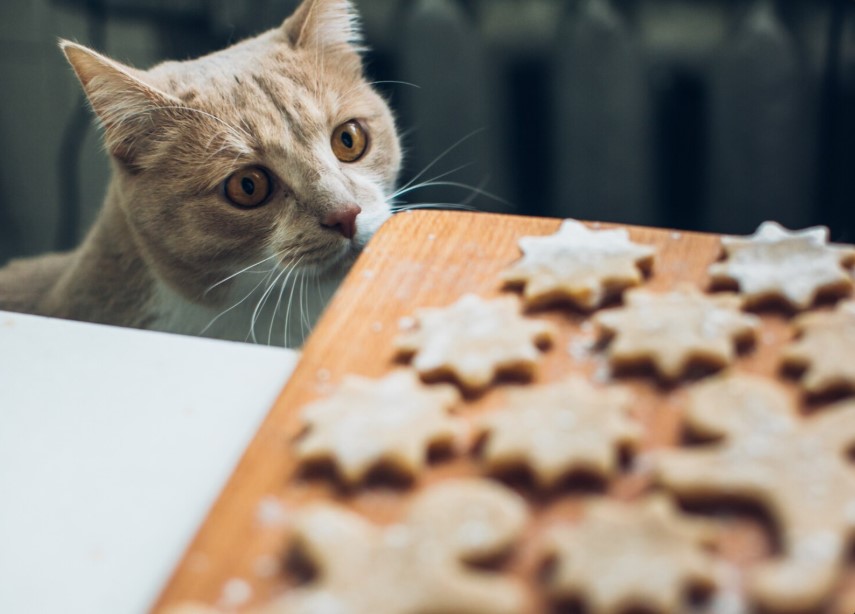
Cats are famously selective about what they eat, and for pet owners, finding the perfect treat for a finicky feline can feel like a never-ending quest. Whether you have a kitten just beginning to explore flavors or an older cat with established preferences, choosing treats that are both palatable and nutritious requires some thought. The right treats can support dental health, provide essential nutrients, and even strengthen the bond between you and your pet.
In this guide, we’ll explore how to identify the best cat treats for picky eaters, what to look for in ingredients, and some practical strategies to entice even the most discerning cats. We’ll also touch on how popular options like Temptations cat treats can fit into your cat’s diet responsibly.
Understanding Why Cats Are Picky Eaters
Cats are naturally selective feeders. Unlike dogs, who are often more willing to try new foods, cats rely heavily on smell and texture when deciding what to eat. Some common reasons for picky eating include:
-
Strong food preferences: Cats may favor certain textures, such as crunchy versus soft treats, or particular protein sources, such as chicken or fish.
-
Sensitive stomachs: Digestive issues can make a cat wary of unfamiliar foods.
-
Environmental factors: Stress, changes in routine, or even the placement of a food bowl can influence a cat’s willingness to try a treat.
-
Early experiences: Cats exposed to a limited range of flavors as kittens may be more selective as adults.
Understanding the underlying reasons for pickiness is the first step toward finding treats that your cat will actually enjoy.
Key Factors to Consider When Choosing Treats
When looking for the best cat treats, several factors are crucial for ensuring both enjoyment and health benefits:
1. Nutritional Value
Even though treats are meant as indulgences, they should still provide some nutritional benefit. Look for treats that include high-quality proteins and essential vitamins and minerals. Avoid treats with excessive fillers, artificial flavors, or sugar substitutes that could harm your cat’s health.
2. Texture and Size
Cats can be particular about the texture of treats. Some may prefer crunchy morsels that help clean teeth, while others enjoy soft, chewy options that are easy on older teeth. Additionally, the size of the treat should match your cat’s mouth and chewing ability.
3. Ingredient Transparency
Check labels for clear ingredient lists. Ingredients should be recognizable and safe for feline consumption. Natural sources of protein, such as chicken, turkey, or fish, are typically more appealing to picky cats than plant-based fillers.
4. Functionality
Certain treats serve specific purposes, such as promoting dental health or supplementing dietary needs. For instance, treats fortified with omega fatty acids support skin and coat health, while dental chews help reduce plaque buildup. If your cat has dietary restrictions, consider treats formulated for sensitive stomachs or limited ingredients.
5. Palatability
The aroma and flavor of the treat are critical. Cats are more likely to try a new treat if it smells enticing. Often, treats with natural flavor enhancers, like real meat or fish, are more appealing than those with artificial additives.
Strategies for Introducing Treats to Picky Cats
Even the best treats won’t be effective if your cat refuses to try them. Here are some tips for introducing new treats:
-
Gradual Introduction: Start by offering a small piece alongside their usual food to help your cat become familiar with the new scent and taste.
-
Mix with Wet Food: Incorporating treats into wet food can encourage a hesitant cat to try them without feeling forced.
-
Positive Reinforcement: Use treats as rewards during playtime or training sessions to create positive associations.
-
Temperature Adjustment: Slightly warming certain soft treats can enhance aroma and make them more appealing.
-
Rotate Flavors and Textures: Some cats enjoy variety. Offering different protein sources or switching between crunchy and soft treats can help maintain interest.
Spotlight on Popular Options: Temptations Cat Treats
One of the widely recognized options for picky cats is Temptations cat treats. Known for their crunchy outer shell and soft, flavorful center, these treats are designed to satisfy both texture and taste preferences. They come in various flavors, which can be useful for cats that favor particular protein types. While they are a popular choice, it’s important to remember that treats should complement your cat’s overall balanced diet, not replace it.
DIY and Homemade Treat Ideas
For cats with extreme pickiness, homemade treats can be an effective solution. Simple recipes using plain cooked meats, fish, or small amounts of cat-safe ingredients allow you to control flavor, texture, and ingredients. Always ensure that any homemade treat avoids toxic foods such as onions, garlic, chocolate, or dairy products.
Some simple DIY treat ideas include:
-
Baked Chicken Bites: Small pieces of boneless chicken baked until firm.
-
Tuna Pouches: A mix of canned tuna and a little cat-friendly broth, shaped into bite-sized morsels.
-
Freeze-Dried Meat Snacks: Using freeze-drying techniques to preserve flavor without added preservatives.
These options give you the flexibility to experiment with flavors until you find one your cat loves.
Monitoring Your Cat’s Response
Once you introduce new treats, observe your cat’s reactions closely. Signs of acceptance include enthusiastic eating, tail flicks, purring, and repeated requests. Conversely, if your cat ignores the treat or exhibits gastrointestinal distress, it may be best to discontinue it and try another option.
Keep in mind that treats should only make up a small portion of your cat’s diet, generally no more than 10% of daily caloric intake. Overfeeding treats can lead to obesity and nutrient imbalance.
Conclusion
Finding the best cat treats for picky eaters may require patience, experimentation, and attention to your cat’s unique preferences. By focusing on nutritional value, appealing textures, high-quality ingredients, and proper introduction strategies, you can make treat time enjoyable and beneficial for your cat. Options like Temptations cat treats offer a convenient, flavorful solution for many finicky felines, but there’s always room for variety through DIY or alternative treats. Remember, the key is moderation, observation, and a willingness to experiment until your cat finds a favorite. Treat time should be a moment of joy and bonding, strengthening the special connection you share with your furry companion.
5 FAQs About Cat Treats for Picky Eaters
1. How can I tell if a treat is suitable for my picky cat?
Look for treats with high-quality proteins, minimal fillers, and a texture your cat prefers. Observing your cat’s reaction is the best indicator of suitability.
2. Are soft treats better than crunchy ones for picky cats?
Not necessarily. Some cats prefer soft treats because they are easier to chew, while others enjoy the crunch. Offering both types can help you identify your cat’s preference.
3. Can I use Temptations cat treats every day?
Yes, but in moderation. Treats should complement a balanced diet and not exceed 10% of your cat’s daily calorie intake.
4. What should I do if my cat refuses all store-bought treats?
Consider homemade options or gradually introduce new treats alongside familiar foods. Sometimes, warming the treat slightly can also increase appeal.
5. How do I prevent my cat from gaining weight on treats?
Measure treats carefully and account for them in your cat’s daily caloric intake. Using treats as rewards for play or training rather than free-feeding can also help control weight.