
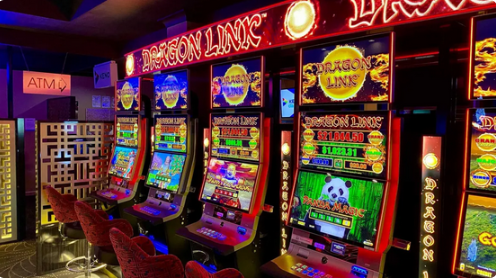
Slot games have come a long way from the clunky mechanical machines sitting in dusty casino corners. Today, they dominate both land-based casinos and online platforms, offering dazzling visuals, cinematic soundtracks, and massive jackpots. But despite all the technological upgrades, classic slot games still hold their ground. Why? Because simplicity never goes out of style.
If you’ve ever wondered whether you should play a classic 3-reel slot or jump into a modern 5-reel video slot packed with bonus rounds, you’re not alone. The choice can feel overwhelming. Both types promise excitement and potential wins, but they deliver very different experiences.
Think of it like choosing between a vintage muscle car and a brand-new sports car. One offers nostalgia and straightforward power. The other provides advanced technology and high-performance features. Neither is automatically better—it depends on what you’re looking for.
In this in-depth guide, we’ll break down the real differences between classic and modern slot games. From design and gameplay to RTP, volatility, jackpots, and psychological appeal, you’ll discover exactly which type suits your playing style best.
Let’s start where it all began.
The Evolution of Slot Games Through the Years
To truly understand the difference between classic and modern slots, you need to look at how they evolved. Slots didn’t just appear as the flashy online games we see today. They started as simple mechanical devices—and that simplicity shaped their DNA.
The Birth of Classic Slots
Classic slots date back to the late 19th century. The original machines featured three reels and a handful of symbols—usually fruits, bells, bars, and lucky sevens. You pulled a physical lever (hence the nickname “one-armed bandit”), and the reels spun using mechanical gears.
There were no bonus rounds. No animations. No wild multipliers. Just three reels and a straightforward objective: line up matching symbols across a single payline.
This simplicity is exactly why many players still love classic slots. There’s no learning curve. No complicated features. You spin, you win—or you don’t. It’s pure, stripped-down gameplay.
Classic slots are often associated with:
- 3 reels
- 1 to 5 paylines
- Simple fruit or bar symbols
- Lower betting ranges
- Straightforward payouts
For players who appreciate nostalgia or want an uncomplicated experience, classic slots feel comfortable—almost relaxing.
The Rise of Digital and Online Slots
Fast forward to the 1990s and early 2000s. Technology changed everything. Mechanical reels were replaced by digital screens powered by Random Number Generators (RNGs). This shift unlocked limitless possibilities.
Modern slot games began adding:
- 5 or more reels
- Dozens or even hundreds of paylines
- Bonus rounds
- Free spins
- 3D graphics
- Progressive jackpots
Online casinos accelerated this innovation. Without physical limitations, developers could design intricate themes—from ancient mythology to blockbuster movies.
The result? Modern slot bonus new member became immersive entertainment experiences, not just gambling machines.
While classic slots focus on simplicity, modern slots focus on engagement. They aim to keep you entertained for longer sessions with dynamic gameplay elements.
Now let’s examine how their design really differs.
Design and Visual Differences
One of the most obvious differences between classic and modern slot games is visual presentation. The contrast is almost night and day.
Simple Symbols vs Immersive Graphics
Classic slots stick to traditional symbols:
- Cherries
- Lemons
- Bars
- Lucky 7s
- Bells
The color palette is often basic. The layout is clean. There are no elaborate backgrounds competing for attention. Everything feels focused and minimal.
Modern slots, on the other hand, are visually rich. Themes range from:
- Egyptian tombs
- Norse mythology
- Space adventures
- Fantasy kingdoms
- Crime dramas
Developers invest heavily in graphics, animations, and storytelling. Some modern slots even include mini-cutscenes during bonus rounds.
The difference feels similar to comparing an old arcade game to a modern video game console. One is charmingly simple. The other is immersive and cinematic.
Sound Effects and Animations
Classic slots typically feature basic sound effects—spinning reels, coin clinks, and short jingles. They don’t aim to overwhelm your senses.
Modern slots? They go big.
You’ll hear dynamic background music, dramatic win celebrations, and voiceovers. Animations explode across the screen during bonus triggers. Everything is designed to amplify excitement.
For some players, this enhances enjoyment. For others, it can feel overstimulating.
Your preference matters. Do you enjoy a calm experience? Or do you want the adrenaline rush of flashing lights and soundtracks?
The next major difference lies in gameplay mechanics.
Gameplay Mechanics Compared
Beyond visuals, the structure of gameplay differs significantly between classic and modern slots.
Fixed Reels vs Dynamic Reels
Classic slots almost always feature:
- 3 fixed reels
- Fixed paylines (usually 1–5)
- Simple left-to-right winning combinations
You know exactly what to expect. The structure doesn’t change mid-game.
Modern slots introduce innovation like:
- 5+ reels
- Expanding reels
- Megaways systems (thousands of ways to win)
- Cluster pay mechanics
- Cascading reels
Some modern games can offer over 100,000 ways to win. That’s a huge leap from the single payline in early machines.
This complexity increases engagement—but also adds learning curves.
Paylines vs Megaways and Cluster Pays
In classic slots, paylines are clearly defined. If symbols line up on the payline, you win.
Modern slots experiment with:
- Megaways: Random number of symbols per reel each spin
- Cluster Pays: Wins occur when matching symbols form groups
- 243+ Ways to Win: No fixed paylines required
These mechanics can significantly affect volatility and win frequency.
Classic slots feel predictable. Modern slots feel dynamic.
But does more complexity mean better winning potential? Not necessarily. Let’s explore that.
RTP and Volatility Differences
When it comes to Return to Player (RTP) and volatility, both classic and modern slots can vary widely. However, trends do exist.
Classic slots often have:
- Moderate RTP (95%–97%)
- Medium volatility
- Balanced payout structures
Modern slots, especially those with massive jackpots, may have:
- Slightly lower base RTP
- Higher volatility
- Bigger but rarer wins
Why? Because bonus features and jackpots require funding from the RTP structure.
High-volatility modern slots can offer explosive payouts—but long dry spells. Classic slots may provide steadier gameplay with fewer extreme swings.
It comes down to your risk appetite.
If you prefer frequent smaller wins, classic slots may feel more rewarding. If you’re chasing life-changing jackpots, modern slots usually dominate.
Let’s talk about bonus features next—because this is where modern slots really shine.
Bonus Features and Special Symbols
Bonus features are arguably the biggest dividing line between classic and modern slot games.
Limited Features in Classic Slots
Classic slots typically include:
- Wild symbols
- Scatter symbols
- Simple multipliers
Bonus rounds are rare and usually basic—like a small free spins feature.
The focus remains on core gameplay rather than layered mechanics.
Advanced Bonus Rounds in Modern Slots
Modern slots often include:
- Free spins with multipliers
- Expanding wilds
- Sticky wilds
- Pick-and-click bonus games
- Interactive mini-games
- Progressive jackpots
These features can dramatically boost potential payouts.
However, they also increase volatility. Many modern slots concentrate payouts within bonus rounds, meaning base game spins may feel less rewarding.
Again, it’s about balance.
If you enjoy layered gameplay and surprises, modern slots offer endless variety. If you prefer straightforward action, classic slots deliver consistency.